
Sandtray Therapy Isn't Just for Kids
Sand and a collection of miniature figures might bring to mind a child's playroom. Sandtray therapy for adults, though, offers a structured way for grown clients to process emotions that feel difficult to express in words. Rather than asking you to explain everything, this approach invites you to arrange small objects in a tray of sand to create scenes that reflect inner experiences.
Many adults assume this method only works for children, but the practice draws on Jungian psychology and creative expression suited to any age. It offers a nonverbal outlet for clients who find spoken conversation difficult, especially in early sessions before you've built a rapport with your therapist.
Some clients arrive skeptical about working with sand and small figures as grown professionals, yet many find the process surprisingly natural once they begin.
More Than a Children's Activity
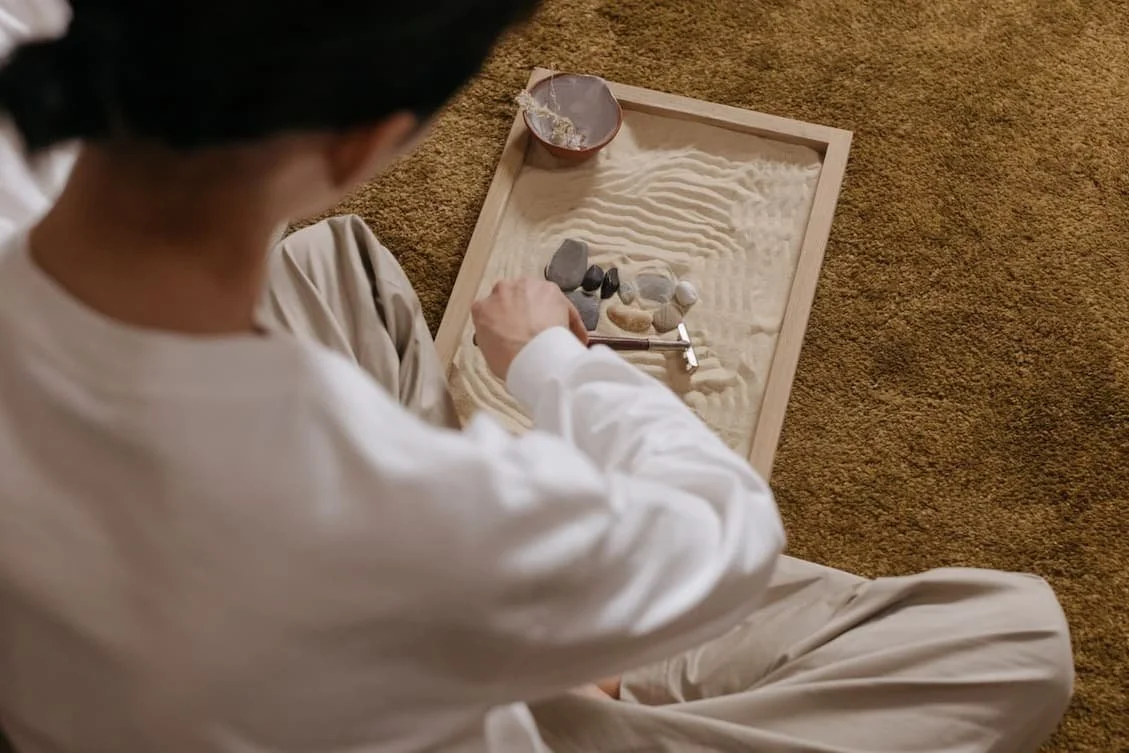
Sandtray therapy centers on a tray filled with sand, along with shelves of miniature figures and symbols. During a session, you select objects that resonate with you and place them in the sand without explaining your choices. Your therapist observes the scene you create and asks open questions about what you see in it. There is no correct way to arrange the figures, which removes the pressure many adults feel around getting things right.
This approach draws heavily on expressive arts therapy and gives your unconscious mind room to speak through symbols and spatial arrangement. The images and arrangements you create can give your therapist another way to understand what you may be experiencing, including emotions that are difficult to put into a straightforward explanation. Adults working through grief, trauma, or stuck patterns commonly turn to this method when talk therapy hasn't fully captured their experience.
A typical tray might include:
Animals and human figures
Natural elements like shells and stones
Everyday objects, from vehicles to household items
Real Benefits of Sandtray Therapy for Adults
The benefits of sandtray therapy include a safe outlet for emotions that feel too complex to talk about. Arranging figures in the sand can reveal patterns in your thinking that can stay hidden during regular talk sessions. Completing a scene also gives you a concrete image to reflect on with your therapist.
This method also supports memory processing, since the visual and tactile process can access experiences that are hard to reach through words. Because the process is hands-on, it may lower defenses that keep some clients guarded during traditional talk therapy sessions. With repeated sessions, many people uncover new insights into recurring emotional themes.
A Modern Take on Play Therapy
Play therapy for adults has gained more attention recently as therapists apply techniques once reserved for children to their grown clients. Sandtray therapy sits well within this broader category, alongside art therapy, music therapy, and other expressive arts approaches. These methods share a common idea: creative expression can access material that direct conversation may sometimes miss.
Deciding to try sandtray therapy doesn't mean giving up traditional conversation-based sessions. Sandtray work can give you and your therapist something concrete to observe and discuss together, including the choices you make while creating a scene and the meaning you attach to it. Some clients use sandtray sessions occasionally alongside ongoing talk therapy. Others may rely on it as their primary approach, depending on their therapeutic goals and what they find most useful in sessions.
Adults Can Play, Too
If you are curious about the benefits of sandtray therapy, a therapist can walk you through what a session looks like and answer any questions you have. This approach works well alongside other methods, including expressive arts therapy, giving you options as you decide what feels right. You don't need artistic skill or prior experience to get started.
Learn how sandtray therapy can help you gain insight into your unconscious thoughts and emotions. Schedule an appointment and discover how to better handle the difficulties you're facing.