
How Shame and Vulnerability Affect Men's Mental Health
Men’s mental health is shaped by years of cultural messages about what it means to be strong. From a young age, many men learn to suppress their emotions and push through pain. The goal: avoid showing any signs of struggle, and sometimes even emotion.
Shame becomes a silent enforcer, punishing vulnerability and rewarding emotional distance. Eventually, this pattern takes a serious toll. Anxiety builds, and a deep sense of disconnection sets in. But the pressure to “man up” doesn’t protect anyone. In fact, it often drives the very struggles men are trying to hide.
How Shame Silences Men
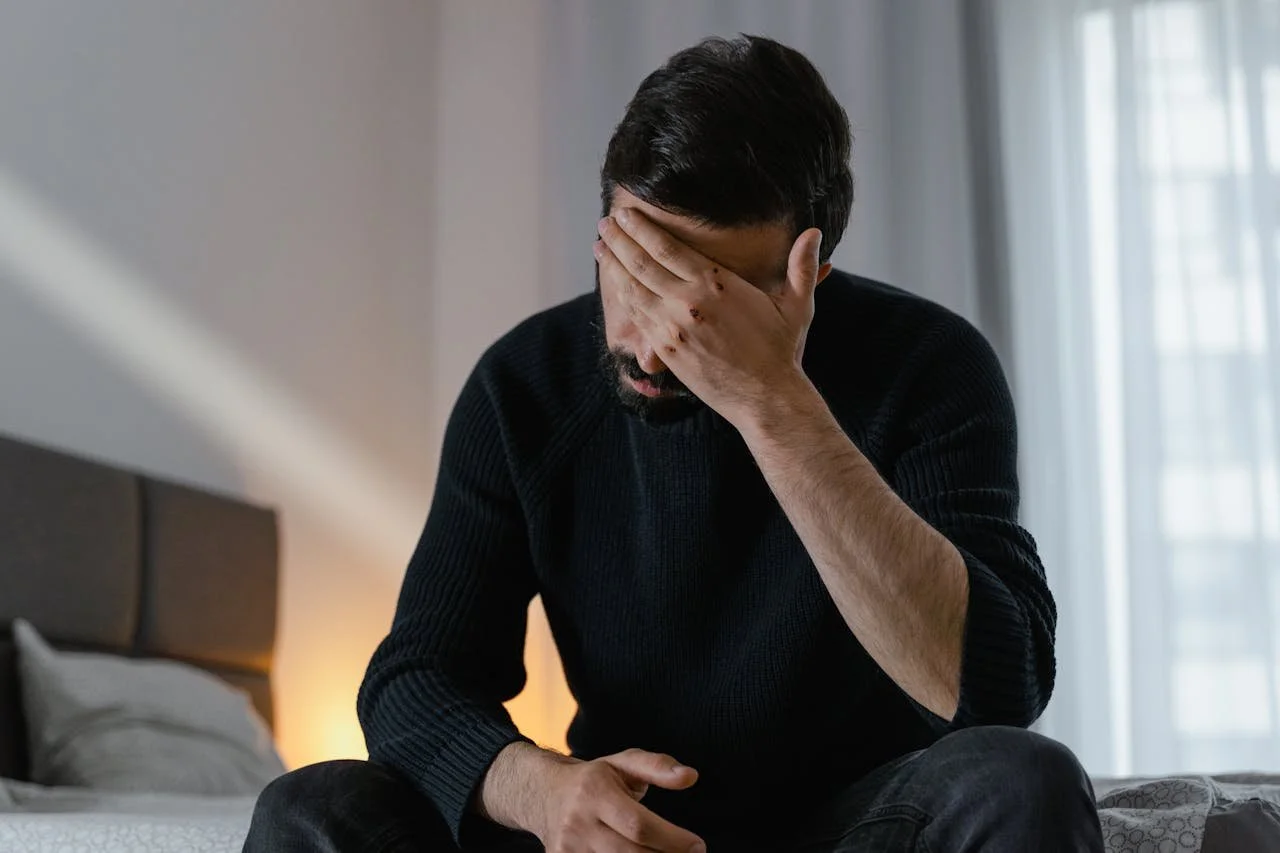
Shame tells men that needing help is a weakness. It whispers that asking for support makes you less capable, less of a man. Unlike guilt, which says “I did something wrong,” shame says “I am something wrong.” That distinction matters because shame undermines identity, questioning your fundamental worth as a person.
When shame goes unchecked, it often appears as anger, withdrawal, substance use, or overwork. These are coping strategies that quietly erode men’s mental health. Men may pour themselves into productivity or numb out entirely rather than face the feelings underneath. The body holds all of it, too. Chronic tension, headaches, stomach issues, and sleep disruption are common when emotional pain has no escape avenue.
Why Men Are Taught to Hide
For many men, the power of vulnerability feels more like a threat than a strength. Opening up emotionally can trigger deep fears of rejection or ridicule, especially if early experiences taught them that emotions were unsafe. A boy who was told to stop crying learned something powerful: feelings lead to dismissal or disgust.
Those early lessons don’t fade with age. They become integrated into the nervous system, forming persistent patterns that influence men’s mental health throughout adulthood. Men might sometimes feel like they want to shut down when conversations get emotional. They could experience a tightness in their chest, a sudden desire to step away, or a wave of irritation that catches them off guard. These are protective responses the body learned long ago.
Expanding the Definition of Strength
Healthy masculinity doesn’t ask men to abandon strength; it expands what strength looks like. It includes the courage to sit with discomfort and the willingness to be honest about what hurts. The capacity to connect with others more deeply grows with practice. Men's emotional health can flourish when they have space to express their feelings.
The power of vulnerability builds trust. When men allow themselves to be seen, it makes room for authentic relationships. Partners, friends, and family members often respond with more openness in return. Vulnerability involves opting for honesty instead of performance.
Strategies for Genuine Relief
Addressing men's emotional health requires understanding how the body carries stress. Somatic approaches help by working directly with the physical sensations tied to emotions: the tight jaw, the heavy shoulders, the knot in the stomach. When men learn to notice and work with these signals, they begin to process what words alone can’t reach.
Therapy offers the space to explore shame without being consumed by it. It’s a place to practice being vulnerable at a pace that feels manageable. Over time, men may discover that the emotions they’ve been avoiding aren’t as dangerous as they feared. Prioritizing men’s mental health in this way offers a source of genuine relief and freedom.
Reclaiming Your True Self
You show genuine courage by asking for help, and taking that step is one of the most vital actions you can take. If shame has been running the show and vulnerability feels impossible, working with a therapist can help you find a different way forward.
When you’re ready to learn more about how men’s mental health counseling can support you, call us for a consultation. We can help you explore the depths and breadths of your emotional vault.